|
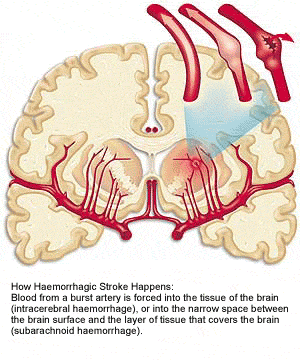
Stroke is a type of cardiovascular disease. It affects the arteries leading to and within the brain. A stroke occurs when a blood vessel that carries oxygen and nutrients to the brain is either blocked by a clot or bursts. When that happens, part of the brain cannot get the blood (and oxygen) it needs, so it starts to die.
Clots that block an artery cause ischemic (is-KEM-ik) strokes. This is the most common type of stroke, acounting for approximately 88 percent of all strokes.
Ruptured blood vessels cause hemorrhagic (hem-o-RAJ-ik) or bleeding strokes.
When part of the brain dies from lack of blood flow, the part of the body it controls is affected. Strokes can cause paralysis, affect language and vision, and cause other problems. Treatments are available to minimize the potentially devastating effects of stroke, but to receive them, one must recognize the warning signs and act quickly!
Risk factors are traits and lifestyle habits that increase the risk of disease. Extensive clinical and statistical studies have identified several factors that increase the risk of stroke. Most of them can be modified, treated or controlled. Some can?.
The more risk factors you have, the higher your chances of having a stroke. The best way to prevent a stroke is to reduce your stroke risk factors. A healthcare provider can help you change factors that result from lifestyle or environment.
What risk factors for stroke can be controlled or treated?
- High blood pressure
- Tobacco use
- Diabetes mellitus
- Carotid or other artery disease
- Atrial fibrillation
- Other heart disease
- Transient ischemic attacks (TIAs)
- Certain blood disorders
- Sickle cell disease
- High blood cholesterol
- Physical inactivity and obesity
- Excessive alcohol
- Some illegal drugs
Source: American Heart Association
Image provided by: The Stroke Foundation of New Zealand |