Damping down inflammation in the body appears to be just as important for fighting heart disease as lowering cholesterol, according to a pair of new studies that provide the first direct evidence that curbing inflammation can independently protect the heart. Damping down inflammation in the body appears to be just as important for fighting heart disease as lowering cholesterol, according to a pair of new studies that provide the first direct evidence that curbing inflammation can independently protect the heart.
Patients who reduced inflammation were significantly less likely to have their heart disease get worse or to die from a heart attack, even if their cholesterol levels were already low, the studies found.
The results suggest that doctors should consider routinely monitoring inflammation in the same way they test cholesterol and take steps to reduce inflammation in patients with high levels, especially in those already at high risk, the researchers said. |
 |
|
The same steps that lower cholesterol -- a healthful diet, exercise, weight loss, quitting smoking, and cholesterol-lowering statin drugs -- can help reduce inflammation. In addition, researchers are studying new drugs that may specifically target inflammation.
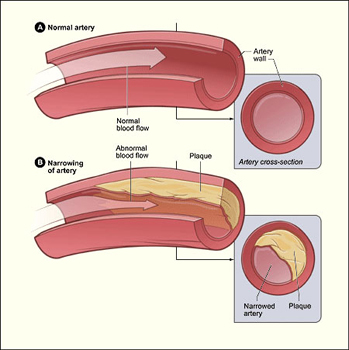
For years, doctors have thought coronary artery disease occurs primarily when high cholesterol causes fatty buildups called plaques inside the arteries that supply blood to the heart, like clogging a drain. The theory holds that arteries slowly narrow and eventually get blocked, often by a blood clot, causing a heart attack.
But in recent years evidence has accumulated that inflammation, a usually beneficial response by the immune system for fighting off infections and healing injuries, also plays a key role. Too much inflammation, perhaps from being overweight, having high cholesterol or suffering from a chronic low-level infection, appears to damage the lining of artery walls and contribute to the formation and rupture of plaques. Source: Washington Post
Author: Rob Stein
Image Source: www.sandiegobloodbank.org
|