|
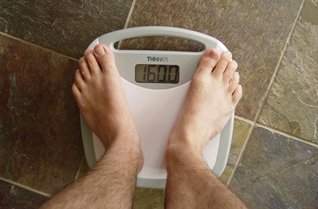 The U.S. CDC reports that Americans are eating more than ever before. And most of this increase in calorie consumption comes from carbs. The U.S. CDC reports that Americans are eating more than ever before. And most of this increase in calorie consumption comes from carbs.
The report, in the Feb. 6 issue of the CDC's Morbidity and Mortality Weekly Report, paints a picture of excess. In 1999-2000, American calorie consumption was significantly greater than in 1971-1974:
- American men increased their total calories from 2,450 to 2,618 per day.
- American women increased their total calories from 1,542 to 1,877 per day.
- Carbs made up 49% of men's total calories and 51.6% of women's calories.
- The percentage of calories from fat went down.
"The increase in energy intake is attributable primarily to an increase in carbohydrate intake, with a 62.4-gram increase among women and a 67.7-gram increase among men," the CDC report notes.
Where are we getting all these carbs? The CDC says we get them:
- From eating out
- From eating more salty snacks
- From drinking more soft drinks
- From eating more pizza
- From eating larger portions
Meanwhile, a second MMWR report shows that one in four Americans gets zero leisure time exercise. This number is actually an improvement: In 1989, one in three of us were couch potatoes.
Source: WebMD.com Medical News
Image provided by: www.brandon.fuller.name
Authors: Daniel DeNoon |