|
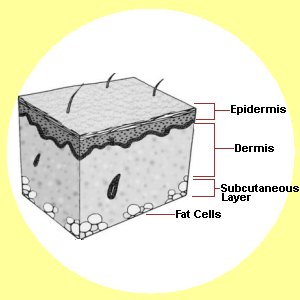 Fats come directly from the food we eat, and are broken down in the digestive system by an enzyme called lipase and are then transported in the blood stream. Both muscle and fat cells then absorb the digested fats and either burn the fat through activity, or store the fat for later use. Fats come directly from the food we eat, and are broken down in the digestive system by an enzyme called lipase and are then transported in the blood stream. Both muscle and fat cells then absorb the digested fats and either burn the fat through activity, or store the fat for later use.
Why We Need Fat
Fat is needed as part of a healthy diet (just not too much of it!). Here are a couple of reasons why.
- Essential fatty acids have to be obtained from food as the body has no way of producing them internally.
- Certain vitamins are fat soluble, and eating fat is the only way to get these vitamins in to the body.
- Fat contains twice as many calories per gram as either proteins or carbohydrates, which makes fats an excellent source of energy. This is fine as long as that energy is being used up.
Fat Storage In The Body
Fat is found in several places throughout the body. The majority of fat is stored under the skin, and is known as subcutaneous tissue. The thickness of the subcutaneous fat varies from body area to body area. It tends to be thickest at the waist, and is practically non-existent at the eyelids. As well as being a store of energy, fat also acts as a cushion to impacts.
Fat is also stored elsewhere around the body, and can be in different places depending on your gender. Both sexes will have a small store of fat in the liver, and some around the kidneys;
Main Areas Of Fat Storage
| Women |
Men |
| Breast |
Chest |
| Hips |
Abdomen |
| Waist |
Buttocks |
| Buttocks |
|
When a person is overweight these fat deposits will start to clog the arteries which can lead to serious health problems such as a heart attack.
Source: www.weightlossforgood.co.uk
Image provided by: www.weightlossforgood.co.uk |